
Sling TV: Cutting Through the Hype on Cost, Channels, and "Free" Trials
Cord-Cutters, Rejoice (Maybe): Sling's Day Pass Gamble
Sling is rolling out a new set of short-term passes, including a day pass for $4.99. The target? College football fans, specifically those locked out of ESPN via YouTube TV's ongoing carriage dispute. The question isn't whether it works – it does, technically – but whether it makes economic sense, especially when stacked against alternatives like Fubo or even just sucking it up and going to a bar.
The Allure of the A La Carte Model
The core appeal is obvious: flexibility. Instead of a hefty monthly bill, Sling offers a "day pass" (24 hours), a "weekend pass" (Monday morning to Sunday night—a slightly odd definition of "weekend", if you ask me), and a "week pass." The day pass clocks in at $4.99, the weekend at $9.99, and the week at $14.99. All passes come with Sling Orange, which includes ESPN, Disney Channel, CNN, and HGTV (a curious mix, but I digress).
The add-ons are where things get interesting, and potentially expensive. Want more sports channels? That's an extra $1 for the day pass, $2 for the weekend, and $3 for the week. The "Sports Extra" package throws in MLB Network, NBA TV, NHL Network, ESPNU, and ESPNews. (And this is the part of the analysis where I start to twitch, remembering all the late nights spent cross-referencing channel lineups across platforms.)
Here's where the data starts to whisper a different story: Let's say you're a die-hard college football fan, and you want to watch every game available on the ESPN suite of channels this Saturday. You grab the day pass ($4.99) and the Sports Extra ($1). Suddenly, you're at $5.99. Now, consider the user experience of signing up, entering payment information, and navigating yet another streaming interface just for a single day. The question becomes, is the juice worth the squeeze?
Sling vs. The Streaming Landscape: A Cost-Benefit Analysis
The elephant in the room is, of course, YouTube TV. Their ESPN kerfuffle is Sling's opportunity. But even before that dispute, the streaming landscape was a minefield of competing services, each with its own content library and pricing structure. Hulu Live TV, Fubo, and even traditional cable all vie for your entertainment dollars.
A quick price comparison reveals some uncomfortable truths for Sling. A month of Hulu Live TV, with ESPN included, starts at $76.99. Fubo's base plan, also with ESPN, is $74.99/month. YouTube TV (when ESPN is available) is in the same ballpark. Sling's base monthly price is lower, but once you start adding those extra channel packages, the savings shrink fast.
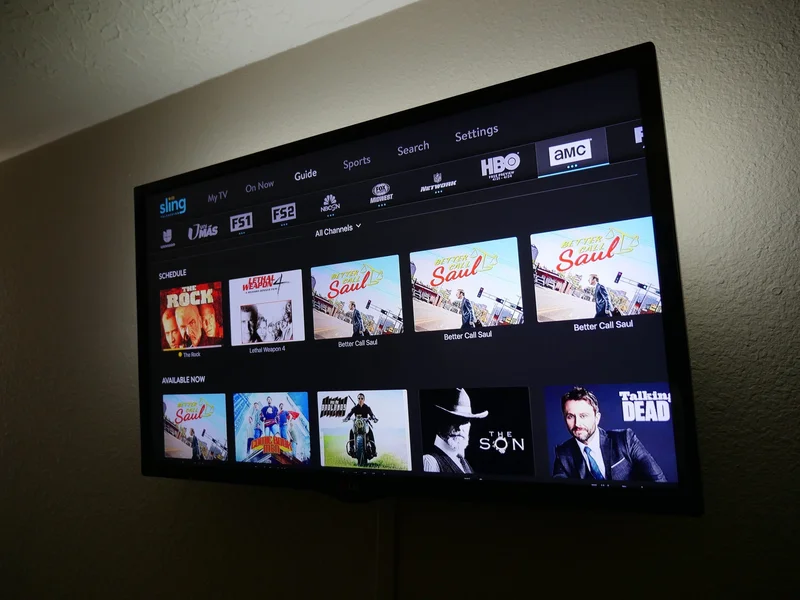
And that's before we factor in the hidden costs: the mental bandwidth required to manage multiple subscriptions, the frustration of switching between apps, and the nagging feeling that you're still not getting everything you want. (The average household now juggles four streaming services, according to recent surveys—a figure that feels both plausible and slightly terrifying.)
A Thought Leap: The "Data" of User Sentiment
I've been following the online chatter about the YouTube TV/ESPN situation, and the sentiment is…mixed. Some are furious with YouTube TV, others blame ESPN, and a vocal minority are simply throwing up their hands and declaring the whole system broken. Quantifying that sentiment is tricky, but the volume of complaints is undeniable. Sling is betting that enough disgruntled viewers will see the day pass as a viable escape hatch.
But here's my methodological critique: Are these complaints representative of the broader market, or just a loud minority? Are people actually willing to jump through hoops for a single day of football, or will they simply find another way to occupy their Saturday afternoon? (I suspect many will opt for the latter.)
Is This Just a Band-Aid on a Broken Leg?
Sling's day pass is a clever marketing ploy, no doubt. But it's a temporary fix for a much larger problem: the fragmentation of the streaming market. Until the major players can reach some sort of stable equilibrium (unlikely, given the current competitive climate), consumers will continue to be nickel-and-dimed to death. The $4.99 day pass might seem like a bargain, but it's just another symptom of a system that's increasingly unsustainable. As CFB Saturday has arrived! How to watch NCAA football today with a Sling Day Pass points out, this option caters specifically to college football fans seeking access to specific games.
A Glimpse of Cord-Cutting Fatigue
The promise of a la carte TV was always alluring, but the reality is proving to be a logistical and financial headache. Sling's day pass is a band-aid, not a solution, and I suspect most viewers will eventually tire of playing Whac-A-Mole with their streaming subscriptions.
Tags: sling tv
Markets News Today: AI, Energy, and the Future We're Building
Next PostFiro: New Tool Deployed...So What?
Related Articles