
The Burger Search, Optimized: An MIT Researcher's Guide to Finding the Best
I want you to imagine something. Close your eyes. You can probably smell it already: the distinct, almost sacred aroma of charcoal and sizzling beef that defines an American summer. It’s a sensory memory baked into our collective consciousness, a ritual passed down through generations. The backyard grill is more than an appliance; it’s a monument to tradition, a symbol of community and warm-weather freedom.
We’ve built an entire mythology around it. We read articles, we watch videos, we debate the merits of gas versus charcoal with the ferocity of political pundits. We’re told the secret to a perfect burger lies in mastering this primal dance with the open flame, that the grill grates are where flavor is born. It’s a story we’ve all been told, and a story we’ve all accepted.
But what if the story is wrong? What if the very tool we deify is, in fact, the one thing holding us back from burger perfection? This is the beautifully disruptive idea presented by chef and innovator David Chang, and when I first heard it, I honestly just sat back and thought, “Of course.” He’s not just offering a cooking tip; he’s presenting a paradigm shift. He’s asking us to debug our own traditions.
The Grill is a Bug, Not a Feature
For years, we’ve operated under the assumption that the smoky flavor imparted by a grill is the ultimate goal. Chang, founder of Momofuku, argues this is pure marketing fiction (Why David Chang Believes Burgers Should Never Touch The Grill). On his podcast, "The Dave Chang Show," he laid it out with the cold, hard logic of an engineer: for a thin patty to absorb any real smoke flavor, it would need to cook for hours, long past the point of being edible.
So what is that flavor we’re tasting? According to Chang, it’s "the carbonized crap that's on the grill."
Let that sink in. The flavor we’ve been chasing isn’t some magical essence of summer smoke. It’s the ghost of burgers past. It’s the burnt residue you didn’t quite scrape off from last weekend’s cookout. It’s a system inefficiency we’ve rebranded as a feature. This is the kind of breakthrough that reminds me why I got into this field in the first place—it’s about seeing a system for what it is, not what we’ve been told it is.
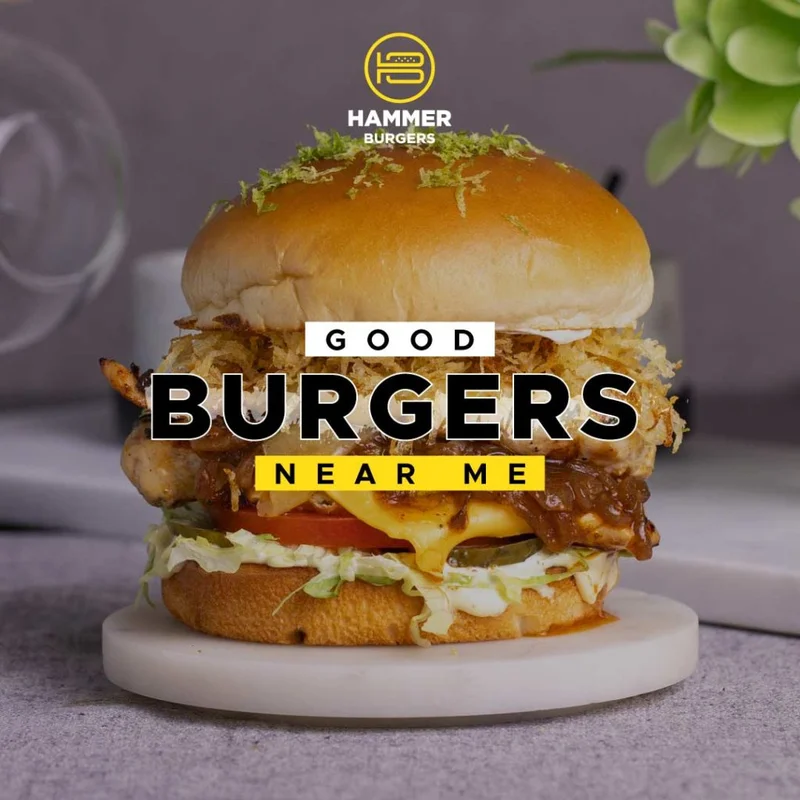
The grill, in this context, is like a piece of legacy hardware we refuse to give up. Think of it as a dial-up modem in a world of fiber optics. We romanticize the screeching and the slow connection time because of nostalgia, convincing ourselves it’s more “authentic.” But in reality, it’s just a less efficient way to get the job done. The job of a burger is to taste like high-quality beef, perfectly seared to create a magnificent crust through the Maillard reaction—in simpler terms, that’s the beautiful, scientific browning process that creates hundreds of new flavor compounds when the meat hits a consistently hot, flat surface. The uneven heat and gaping holes of a grill are fundamentally unsuited for that task.
Redefining Perfection from First Principles
This isn't just about burgers, is it? It never is. This is about applying first-principles thinking to a deeply ingrained cultural habit. Chang’s argument is a beautiful example of deconstructing a problem down to its fundamental truths and rebuilding from there. The goal is a delicious burger. What are the core components of that? Quality meat, proper seasoning, and maximum surface-area contact with a high, even heat source to create that perfect crust. The grill fails on that last, crucial point.
When you strip away the nostalgia and the marketing, the logic is undeniable. It’s the same process that led to reusable rockets, to mRNA vaccines, to the device you’re reading this on right now. It’s the courage to ask, “Why do we do it this way?” and the intellectual honesty to accept the answer, even if it means abandoning a beloved tradition.
This is the thinking that changes the world, and seeing it applied to something as wonderfully mundane as a hamburger is just staggering—it means the tools for innovation are all around us, waiting for us to question the operating systems of our own lives. What other rituals do we perform without questioning their efficiency? How many of our long-held beliefs are just the "carbonized crap" of a previous generation’s thinking? If we can so easily misidentify burnt residue as a desirable flavor, what other, more significant, inputs in our lives are we misinterpreting?
This isn’t a call to throw your grill in the trash. It’s a call to think about why you’re using it. If it’s for the ritual, for the community, for the feeling of standing in the sun with a cold drink, that’s a beautiful thing. But if your goal is the objectively best-tasting burger, the data is clear: the simple, democratic, and highly efficient frying pan or flat-top griddle is the superior technology. No FOMO for those in apartments, no expensive hardware required. Just a better result, achieved by daring to question the way things have always been done.
It's Never Just About the Burger
Ultimately, David Chang’s thesis is a lesson in innovation disguised as a recipe. It’s a reminder that progress doesn’t always come from a brand-new, world-changing invention. Sometimes, it comes from realizing that the best tool for the job was the simplest one we had all along. It’s about having the clarity to separate mythology from function, and the courage to choose the better path, even if it’s less celebrated. And that’s a recipe for more than just a great meal; it’s a recipe for a better future.
Tags: burgers near me
Avelo Airlines: FAA Cuts and Maybe More Flights to Lakeland?
Next PostNASA's Leaked 'Project Athena' Plan: What It Reveals About Our Future in Space
Related Articles